
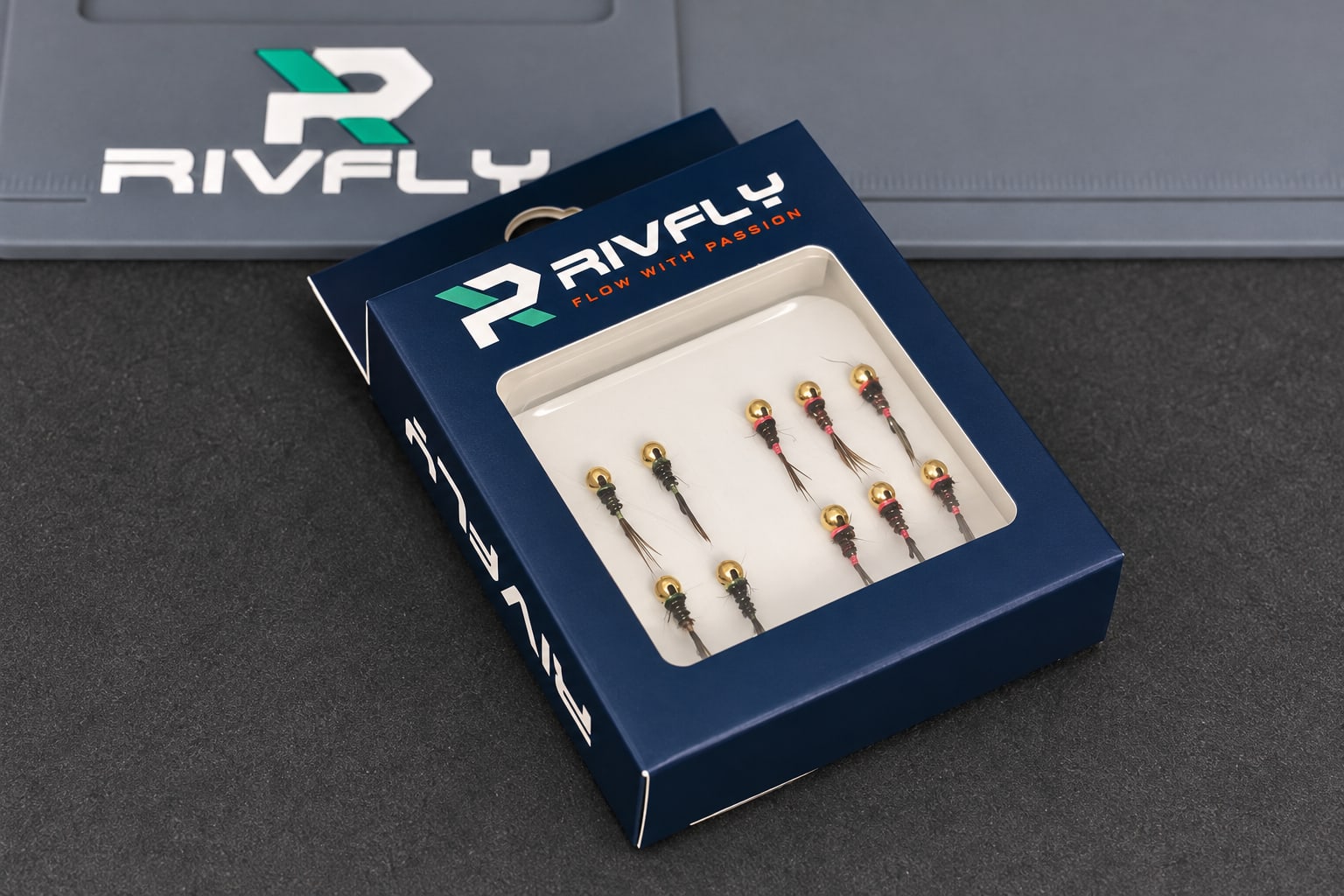
By Kevin, Founder of Rivfly For an angler, trying an unfamiliar fly fishing brand might mean buying a pack of flies or a new tying tool. For a shop owner, that same decision involves more: money committed to inventory, space on the shelf, and time spent helping customers understand what they are buying. There is also the shop’s reputation. If a customer buys something on a staff member’s recommendation and it disappoints, the shop is often the first place they turn. As the founder of Rivfly, a small fly fishing brand, I think about what we are asking when we approach an independent retailer. We are asking someone to take a chance on a name their customers may not recognize yet. Enthusiasm for our own products is a starting point. Earning that chance takes more. So what should a fly shop reasonably expect from a brand like ours? A shop needs to know where a product fits. Who is it for? What does it help them do? Why would a staff member recommend it over something already in stock? The answer can be simple. A fly pattern in a useful size. A tying tool that makes a familiar task easier. A dependable option for someone watching their budget. A product earns attention when its usefulness is easy to explain. Small brands should help with that explanation. Accurate specifications, clear pack quantities, and straightforward descriptions give staff something they can use in a real conversation. If a fly is available on different hook styles, say so. If a tool has limitations, explain them. The person behind the counter should not have to untangle our marketing before helping an angler. Rivfly fly packaging with a clear window and hanging tab, shown alongside the Forge Series tying mat. Photo: Rivfly; AI-assisted retouching. A retailer knows their customers better than a new supplier does. They may see a place for a few products while remaining unsure about the rest of the range. That is a sensible way to begin. At Rivfly, we keep the barrier to a first wholesale order low, with modest minimum quantities for individual products. We want shops to have room to try a focused selection and learn what works locally before committing more. That first order should also be easy to assess. Pack sizes, shipping charges, availability, and likely dispatch timing all affect the decision. A modest opening order becomes less appealing if the important details only emerge after it has been placed. For a small brand, a small order is an opportunity to show how we communicate and follow through. It deserves the same care as a larger one. Anglers have budgets. Wanting a good deal is understandable, especially for someone getting started or buying equipment for another style of fishing. Shops have costs too. Advice, line selection, product demonstrations, and help choosing a few flies all take time. Retail margins need to help cover that work, along with the costs of running the shop. Brands have a part to play here. A wholesale discount means less if a retailer regularly finds the supplier’s own website advertising the same products at prices that make them difficult to sell in the shop. Clear pricing policies, sensible promotion planning, and advance communication about offers on products a shop carries can all help. Whatever approach a brand takes, its own selling habits need to support the relationship it is asking retailers to build. For me, keeping gear reasonably priced and leaving shops room to earn a margin belong in the same conversation. Those are priorities as we continue to refine Rivfly’s wholesale and promotional policies. A shop’s view of a product is different from the view at a supplier’s desk. Staff hear the questions customers ask before buying. They see which sizes get picked up, which packs need explaining, and which products sit untouched. That makes specific feedback valuable. Is a pack too large for someone trying a pattern for the first time? Is an important size missing? Can customers understand the packaging without asking for help? As a small brand, we have plenty to learn from those answers. Asking is only the beginning. If a retailer takes the time to explain a problem, they deserve a response: what we can change, what needs more investigation, or why something may have to stay as it is. We will not be able to act on every suggestion. We can take the conversation seriously and come back with an honest answer. Even a careful supplier can have a damaged shipment, a packing mistake, or a product that needs closer attention. When that happens, the shop needs a person who will help resolve it. A small brand may have a small team. That makes clear communication especially important. Who should the retailer contact? What information is needed? When can they expect an update? The shop should be able to tell its customer what happens next. Acknowledging an issue, explaining the next step, and following it through are practical ways to protect the trust the retailer has placed in us. Rivfly is still growing, and we have to earn retailers’ confidence through the products we supply and the way we handle each conversation and order. Our hope is to build relationships that can grow at a pace that makes sense for the shop: a few useful products, honest feedback, and a reason to work together again. If you run a fly shop, I would welcome your perspective: When you consider a new fly fishing brand, what makes you willing to give it a try, and what makes you walk away? Kevin is the founder of Rivfly, an AFFTA member and growing fly fishing brand. Shops interested in starting a conversation can find Rivfly’s wholesale information for shops and guides.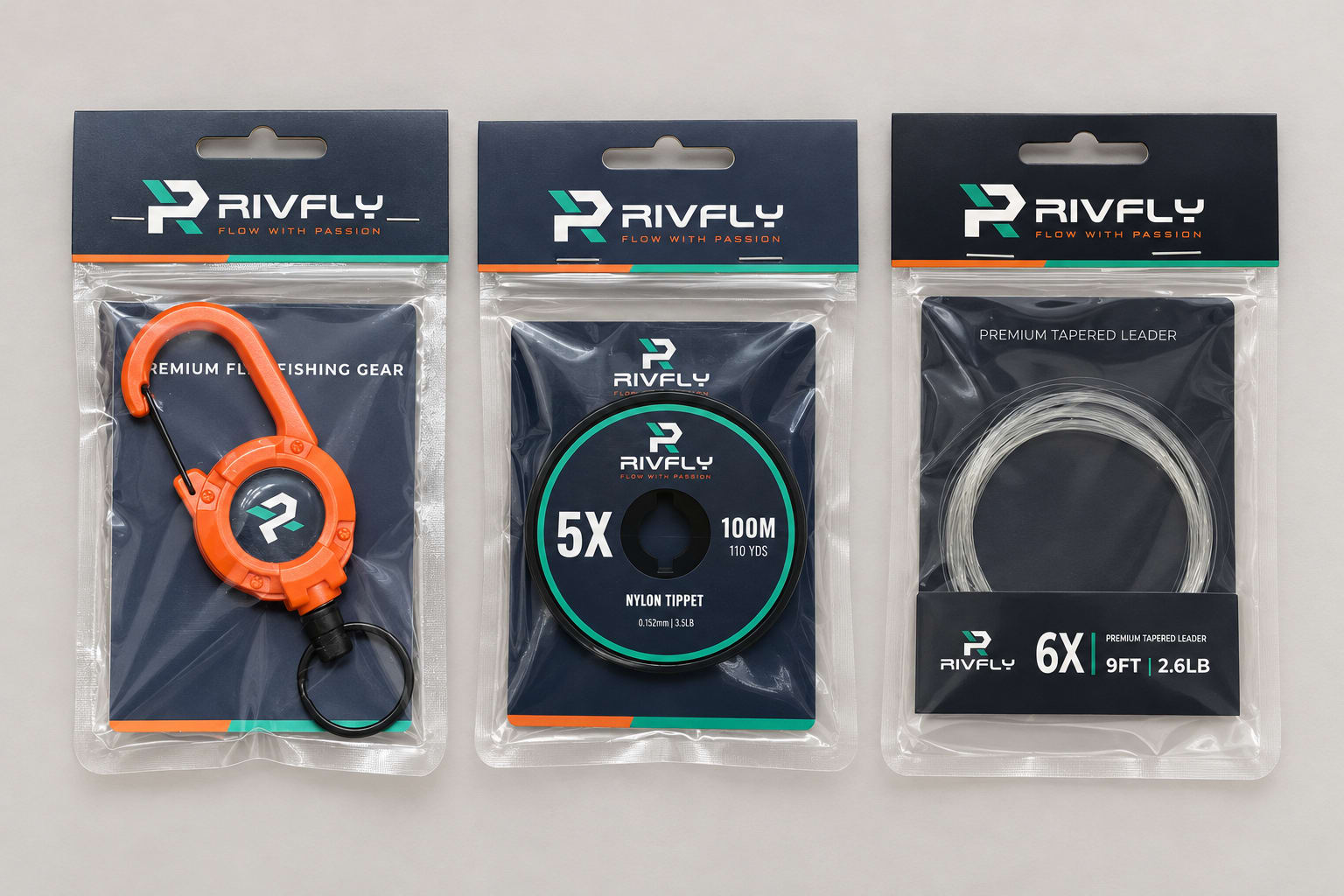
What Should Fly Shops Expect from a Small Fly Fishing Brand?
A clear reason to put the product on the shelf
Room to start small
Pricing that respects both the angler and the retailer
A genuine interest in what happens locally
Someone who stays involved after delivery
Earning the next order
Images
Powered By GrowthZone