
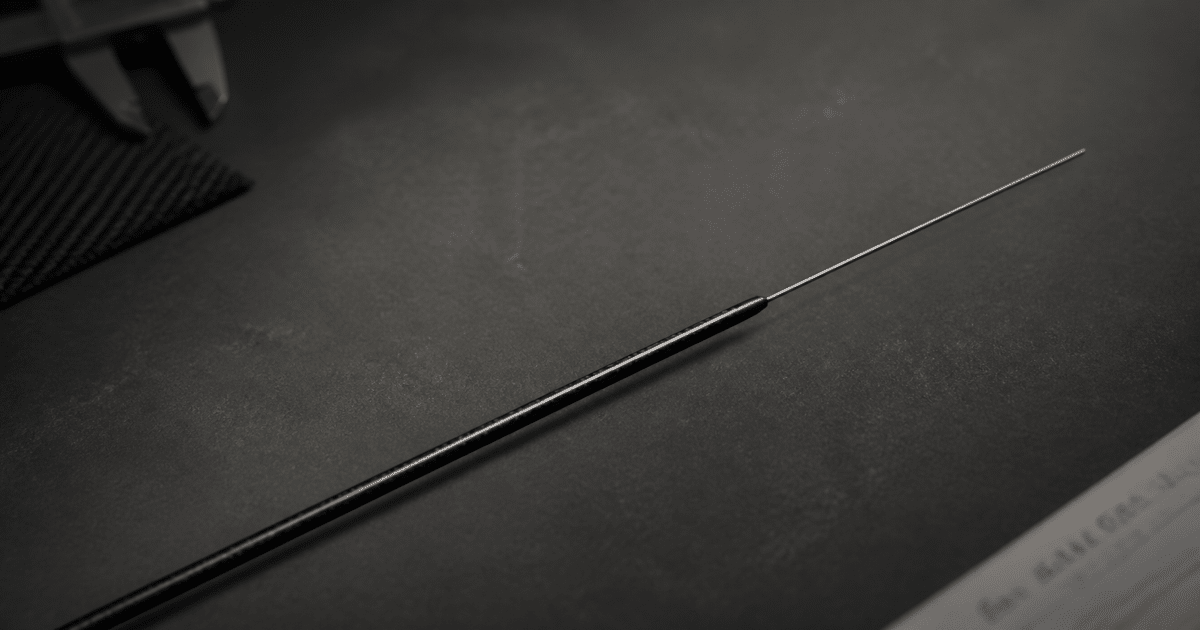
By Kevin Gao, Founder of Rivfly An earlier Rivfly rod-tip prototype, before guides were installed. Photo: Rivfly. I broke the tip of my Echo Carbon XL while working my way through brush. It was my handling mistake, and buying a replacement section would have been the straightforward response. Instead, I started wondering about some titanium-alloy material I had access to. Could it become part of a useful replacement tip? I had no product plan at that point, just a broken rod and a question I wanted to explore. When I shared the idea on a fly fishing forum, some people encouraged me to try it. Others asked why I would bother when a replacement was available. That question has stayed with me. A different material would need to offer a practical benefit to justify the work. My earliest checks involved bending samples by hand and watching how they returned. Later, we used a light nymph and a hanging weight to observe the response and bend of an unfinished section. The videos made those observations easy to share. They could not tell us how the finished rod would cast, whether it would protect fine tippet, or how it would hold up through repeated use. Those are the questions that matter when someone actually fishes a rod. A tip might survive a dramatic hand bend and still change the weight or feel in a way an angler would not enjoy. Feedback from anglers and rod builders helped us focus on those questions. The experiment developed into a solid titanium-alloy tip joined to a hollow section below it, with much of the work going into how the two parts bent together. The early samples and test videos are documented in our Euro nymphing rod-tip development journal. Our earlier samples were not giving us the action we wanted. Adjusting the titanium taper and the connection was only part of the work. We also needed to reconsider our understanding of the original tip section and the material used below the titanium. In the latest round, we changed that material and tested the sample again. In our preliminary comparisons, its bending behavior was closer to our target. That was useful progress, but it came from correcting an earlier assumption. We had to look beyond the most unusual part of the design and reconsider the section supporting it. The latest sample still has no guides. Its behavior in these preliminary checks gives us a reason to continue, but a completed section needs to answer the practical questions on the water. How does it cast a light Euro rig? Does the connection feel smooth under load? How does it work with fine tippet? Does any benefit remain after a full day of fishing? There is also a scheduling problem. Further sample work depends on factory availability, and the factory has been busy. We do not yet have a confirmed timetable for the next stage or a release date to share. I would like to give a more definite update. For now, we have a revised sample and more work ahead, rather than a finished product. This project began with a problem I experienced myself. That alone does not establish that the result would be useful to someone else. Before asking anyone to fish it, stock it, or recommend it, we need a much clearer picture of how the completed section performs. The next stages need to establish whether it offers a worthwhile improvement in actual use. If you regularly fish Euro nymphing rods, guide with them, or help customers choose and use them, I would welcome your perspective: what would you most like to improve about using or maintaining a fine rod tip? Kevin Gao is the founder of Rivfly, an AFFTA member.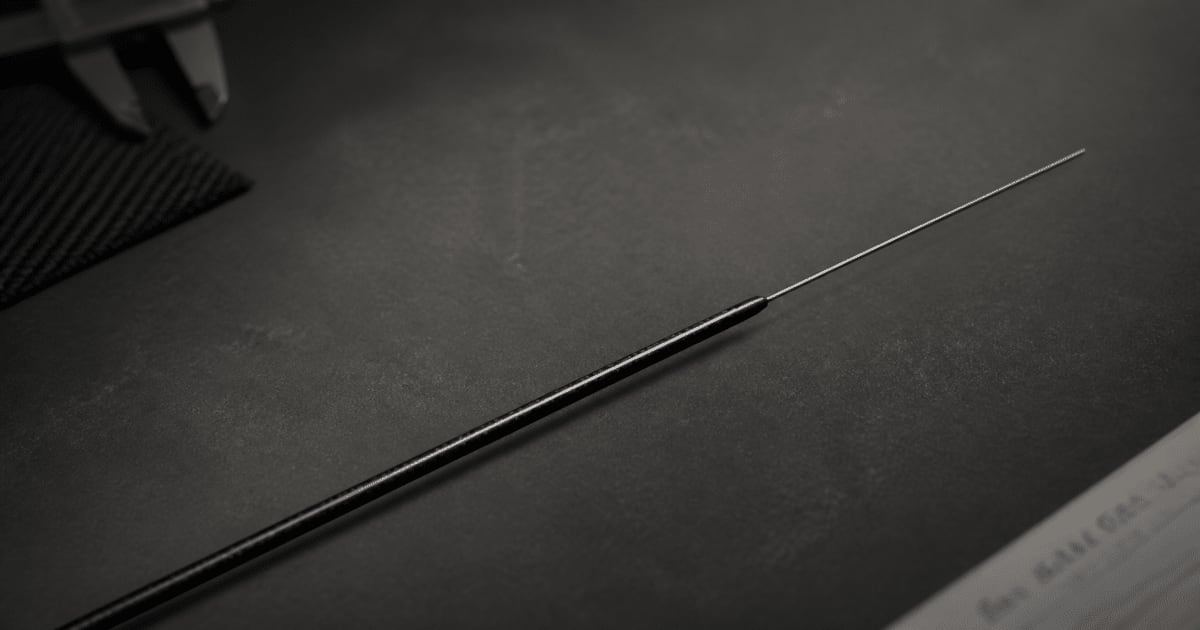
What a Broken Rod Tip Taught Us About Product Development
It started with a broken tip
The first experiment raised more questions
We had to revisit our starting assumptions
A promising sample is still an unfinished sample
What we can say today
Images
Powered By GrowthZone